10th Patient Centricity & Collaboration World Congress 2027 Europe

Patient Partnership as the Engine of Innovation, Equity, and Trust

  • 00Days
  • 00Hours
  • 00Minutes
  • 00Seconds

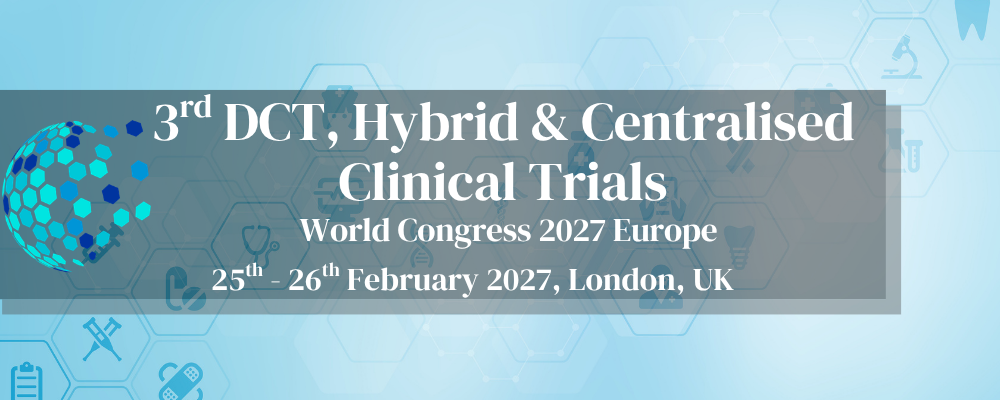
Co-located with the 3rd DCT, HYBRID & CENTRALISED CLINICAL TRIALS World Congress 2027 Europe

Patient meets Innovation & Collaboration

Patient empowerment and understanding to inspire and create a meaningful impact.

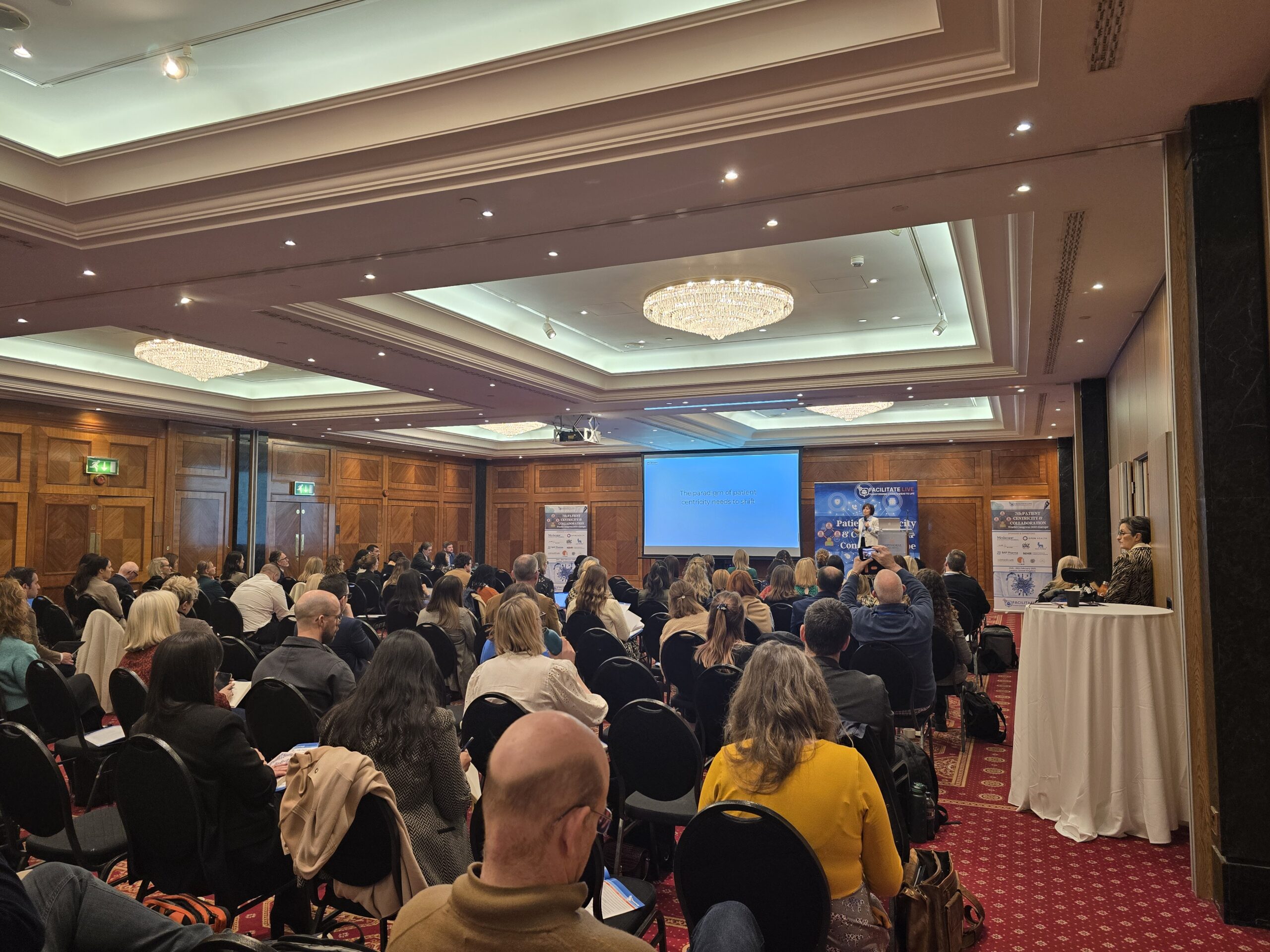
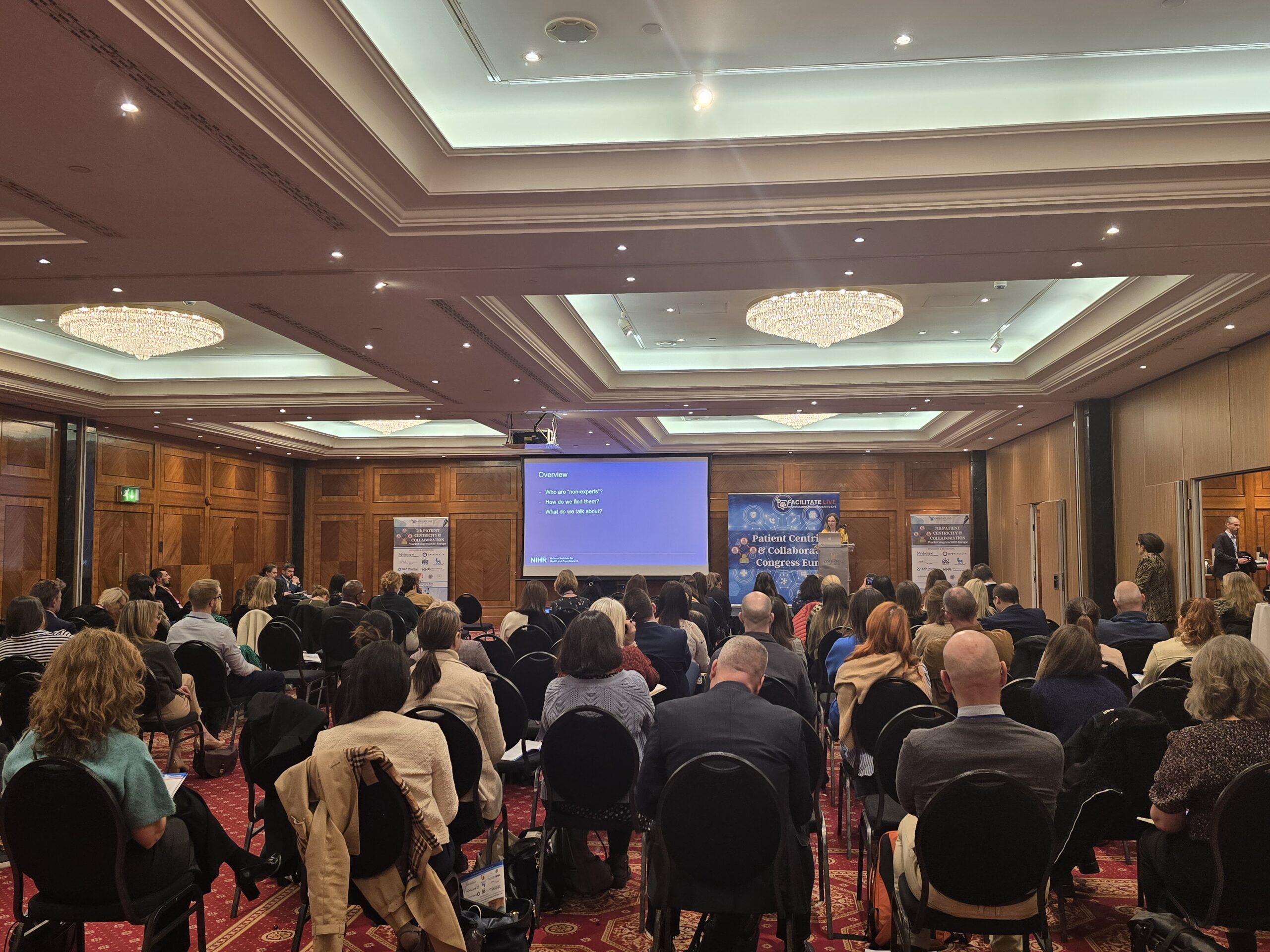
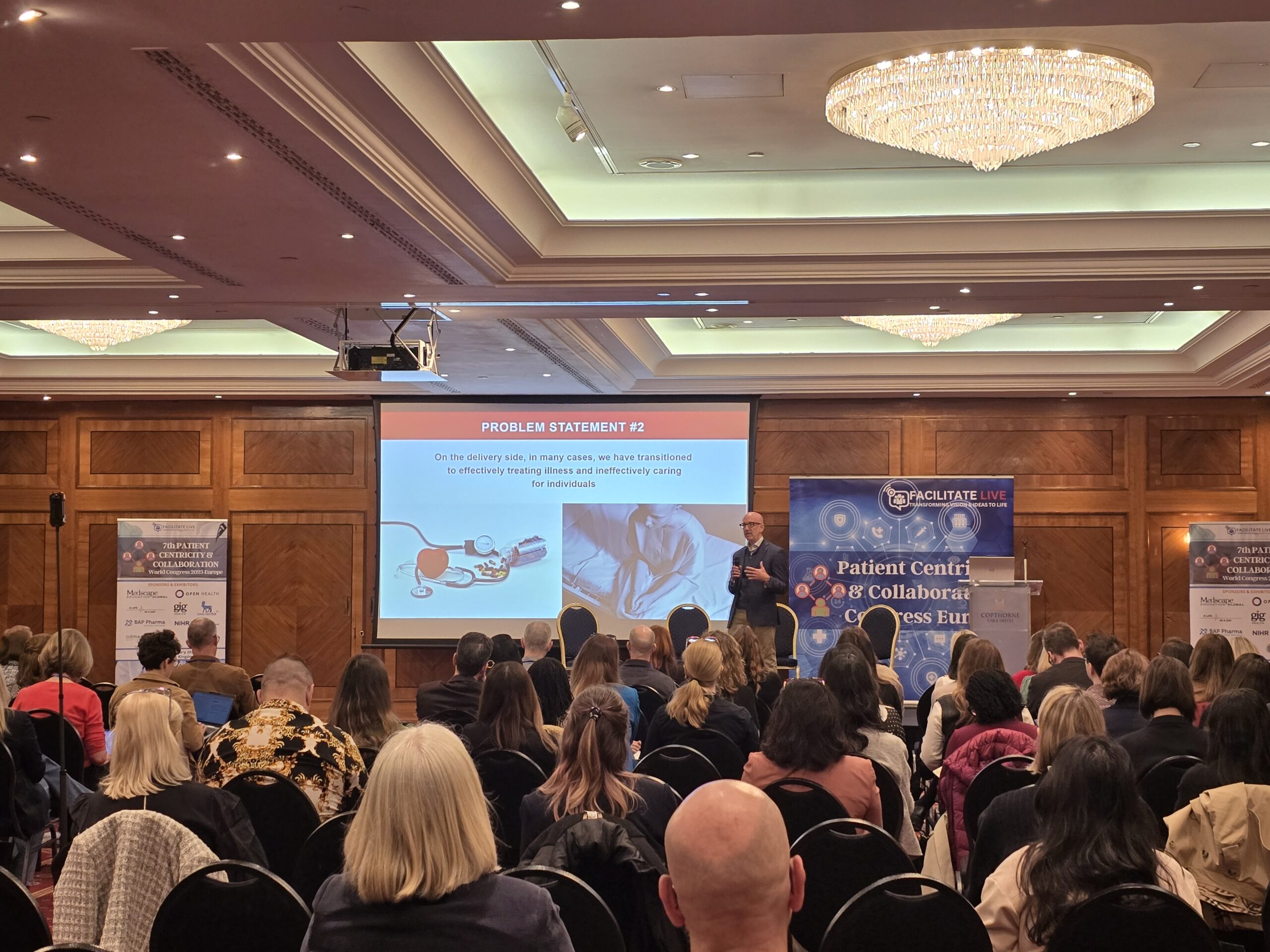
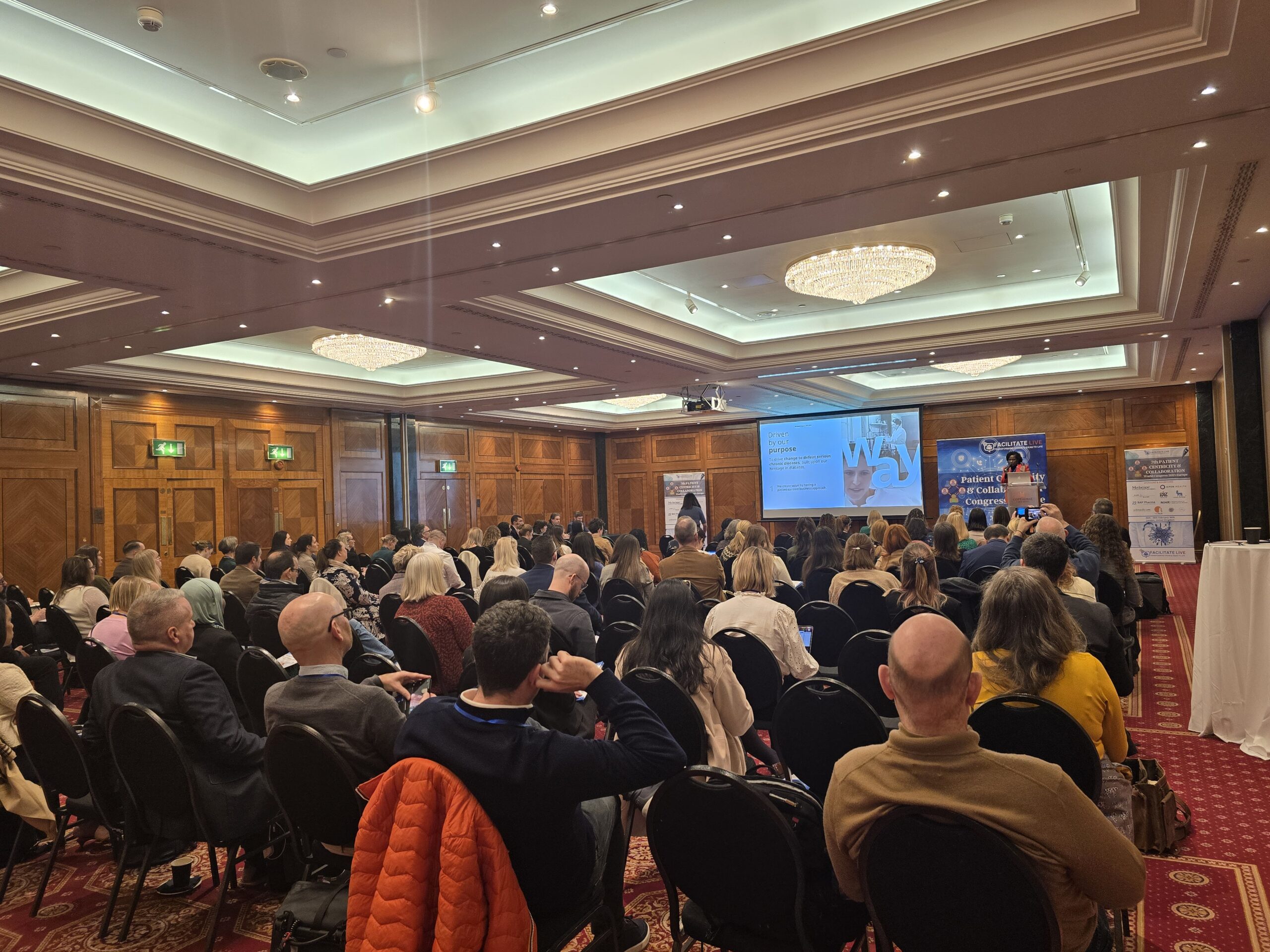
We are pleased to welcome you to the 10th Patient Centricity and Collaboration World Congress 2027 Europe, hosted by Facilitate Live. Over three days, we aim to foster meaningful collaboration across the healthcare ecosystem, enabling delegates to gain practical strategies and best practices for addressing emerging challenges, embracing innovation, leveraging new technologies, and advancing patient centric goals.

This year’s congress is anchored by the strategic theme, “Patient Partnership as the Engine of Innovation, Equity, and Trust.” It reflects the growing recognition across the healthcare ecosystem that patient involvement is a critical driver of scientific excellence, operational performance, and sustainable innovation.

The Congress convenes leaders from biopharmaceutical organisations, regulatory bodies, clinical research, digital health, and patient advocacy to examine how patient partnership can be embedded more systematically across the development and delivery lifecycle. As healthcare becomes increasingly digital, decentralised, and data‐driven, organisations must adopt models that integrate patient insights into decision‐making, strengthen transparency, and ensure equitable access to research and care.

Achieving patient centricity requires a shift from traditional, organisation‐led approaches toward structured, patient‐centered frameworks. This includes incorporating patient perspectives into early‐stage development, protocol design, endpoint selection, and communication strategies. It also involves adopting personalised care models that tailor treatments, information, and support to individual needs. Clear, accessible communication remains essential to building trust and enabling informed decision‐making across diverse European populations.

Technology plays a pivotal role in advancing this agenda. Decentralised and hybrid trials, digital monitoring, artificial intelligence, and real‐world evidence offer opportunities to reduce burden, improve data quality, and expand participation. However, these innovations also introduce new complexities related to governance, equity, and patient readiness. Organisations must ensure that digital transformation enhances, not hinders the patient experience, and that solutions are designed with inclusivity, transparency, and regulatory alignment. Globally, the industry has made significant progress in operationalising patient centered approaches. Patient centricity has evolved from a conceptual aspiration into a measurable strategic priority supported by frameworks, metrics, and cross‐functional governance. Yet, as healthcare models continue to evolve and patients become more informed and digitally engaged, achieving true patient centricity remains an ongoing commitment requiring continuous improvement and collaboration.

We look forward to your participation in this year’s Congress and to the insights, partnerships, and strategic discussions that will help shape the future of patient‐driven innovation across Europe.

We look forward to meeting you at the Congress!

Sincerely yours,

Jocelyn Raguindin
Conference Director
Paradigm Global Events / Facilitate Live 

GAIN LATEST INSIGHTS ON:

  • How patient partnership is becoming a strategic engine for innovation, equity, and trust across European healthcare systems
  • New models of co‐creation that embed patient voice into discovery, development, clinical design, and post‐market decision‐making
  • Ethical, inclusive approaches to AI‐enabled clinical development that strengthen transparency, fairness, and patient confidence
  • The evolution of decentralised and hybrid trials designed around patient convenience, digital readiness, and real world feasibility
  • Human‐centred digital experience design that reduces burden, improves accessibility, and supports diverse patient populations
  • Modern COAs, digital biomarkers, and experience‐driven endpoints that capture what truly matters to patients
  • Behavioural science frameworks that enhance adherence, self‐management, and long‐term engagement across chronic conditions
  • Health literacy strategies that transform complex information into clear, actionable, and culturally relevant communication
  • Community‐driven engagement models that expand representation, build trust, and reach underserved and research‐naïve populations Real world evidence approaches that illuminate patient experience, tolerability, and long term outcomes beyond traditional trials
  • Advanced analytics and predictive modelling that improve feasibility, site selection, operational forecasting, and trial performance
  • Governance structures that ensure responsible, compliant, and patient‐aligned use of digital tools and AI in clinical research
  • Personalised care strategies that tailor treatments, communication, and support to individual patient needs and preferences
  • Cross‐functional operating models that integrate patient insights into enterprise‐wide strategy, culture, and decision‐making
  • The future of patient centric leadership and the capabilities organisations need to thrive in an ethical, digital, inclusive healthcare landscape.

WHO SHOULD ATTEND?

This Congress is beneficial to patients, pharmaceutical, biotech companies, researchers, physicians, patient advocacy groups, regulatory agencies, technology, and healthcare companies.

Network with Presidents, Heads/Chiefs, VPs, Directors, and Managers in the area of:

Patient Engagement & Patient Centricity

  • President / Head of
  • Patient Engagement
  • Chief Patient Officer
  • VP Patient Centricity
  • Director, Patient Advocacy & Partnerships
  • Head of Patient Experience
  • Global Lead, Patient Insights
  • Director, Patient Diversity & Inclusion

Clinical Development & Clinical Operations

  • Head of Clinical Development
  • VP Clinical Operations
  • Director, Clinical Innovation
  • Head of Decentralised & Hybrid Trials
  • Director, Site Engagement & Trial Enablement
  • VP Early Development & Trial Strategy

Digital Health, AI & Technology

  • Chief Digital Officer
  • VP Digital Health & Innovation
  • Head of AI in Clinical Development
  • Director, Digital Trial Solutions
  • Head of Digital Patient Experience
  • Director, eConsent / eCOA / Digital Platforms

Real‐World Evidence & Data Science

  • VP Real‐World Evidence
  • Head of Real‐World Data & Analytics
  • Director, Patient‐Reported Outcomes
  • Head of Epidemiology & Observational Research
  • Director, Data Strategy & Insights

Medical Affairs & Scientific Strategy

  • VP Medical Affairs
  • Head of Medical Excellence
  • Director, Medical Communications & Education
  • Head of Evidence Generation
  • Director, Scientific Strategy & Innovation

Market Access, Value & Health Economics

  • VP Market Access
  • Head of HEOR
  • Director, Value & Access Strategy
  • Head of Pricing & Reimbursement
  • Director, Patient Value & Outcomes

Experience Design, Behavioural Science & Communications

  • Head of Patient Experience Design
  • Director, Behavioural Science
  • VP Communications & Patient Information
  • Director, Health Literacy & Plain Language
  • Head of Experience Research & Insights

Quality, Ethics & Governance

  • Chief Ethics & Compliance Officer
  • Head of Patient Safety
  • Director, Clinical Quality & Governance
  • Head of Regulatory Policy & Engagement

Key Industry Expert Speakers

Lawrence Tallon

Chief Executive Officer

MHRA

John Ioannou

VP, Global Medical Head of Immunology Therapeutic Area

UCB

Lara Bloom

President and CEO

The Ehlers-Danlos Society

Michaela Dinboeck

Head of Patient Engagement (PE)

Novartis

Jasmine Greenamyer

VP, Global Purpose & Patient Experience, Corporate Affairs

Bristol Myers Squibb

Amanda Bok

Chief Partnership Officer

The Synergist

Stephen O’Farrell

Executive Director

SPECTRUM SCIENCE

Ify Osunkwo

Chief Patient Officer Rare Disease

Novo Nordisk Rare Disease

Rosanna Forrest

Director, Patient Engagement

SPECTRUM SCIENCE

Gunnar Philipp

Head of Medical Affairs Europe Major Markets and Canada

CSL

Sarah Phillips

Vice President

IQVIA

Aude Roborel de Climens

Director, Scientific Services, Patient Centered Solutions

IQVIA

Emily Pickering

Specialist Commercial Services Lead, Patient Engagement in Clinical Development

NIHR Research Delivery Network

Isabella Darbyshire

Specialist Commercial Services Manager, Patient Engagement in Clinical Development

NIHR Research Delivery Network

Jasmine Malone

Group Director for Patient Engagement Content and Storytelling

OPEN Health

STEVE CLARK

Founder and Patient Advocate

Strive for Five

Dr Debbie Cooke

Head of Health Psychology

Atlantis Health UK

Dr Liz Clarke

Visiting Lecturer and Patient Engagement Theme Lead

Centre for Pharmaceutical Medicines Research, Kings College London

Robert Mitchell-Thain

CEO

PBC Foundation

Dr Sumira Riaz

Chartered Health Psychologist and Patient Engagement Consultant

Unboxed Psychology

Lorna Allen

Senior Involvement Manager

Cystic Fibrosis Trust

Prof Guillaume Canaud

Head, Translational Medicine & Targeted Therapies Unit

Hôpital Necker Enfants Malades

Gabor Purman

Patient Advocacy Director

Kyowa Kirin

Rasmus Hjorth

Head of Communication

James Lind Care

Daniel Newman

Patient Advocate

Diabetes UK’s Science and Research Advisory Group

CAROLE SCRAFTON

CEO & Co-Founder Patient Advocacy Organisation

FibroFlutters

JOSIE GODFREY

Director, JG Zebra Consulting, Co-Founder and CEO

Realise Advocacy

Danielle Drachmann

Senior Patient Partnering Manager

Evidera, PPD, part of Thermo Fisher Scientific

HAYLEY CHAPMAN

Senior Program Director

The Synergist

Faith Smith

Health Innovation Network

England

Federica Castiglione

Sr Director Patient Advocacy & Engagement EMEA

Menarini Stemline

Claire Nolan

Head of Engagement

International Bureau for Epilepsy

Becky Warnes

Public Affairs & Patient Access Lead

Orion Pharma UK Ltd

Jean-Sébastien Gosuin

Founder, Curewiki and Co-founder

The Patient Voice Database

Keith Berelowitz

Founder/CEO

pRxEngage Inc.

Nadya Isack

Patient and Public Involvement (PPIE) Advocate, Founder

Empower Health Initiative CIC, Person living with Obesity

Puja Myles

Director, Clinical Practice Research Datalink (CPRD)

MHRA

Frida Forya

Senior Quality Solutions Lead

Roche

Greg Robertson

Senior Director, Patient Advocacy & Engagement

Alnylam

Van Zyl Engelbrecht

Head of Country Operations / Decentralised Clinical Trials & Innovation / Rare Diseases / Regulatory Affairs

Alexion Pharmaceuticals, Inc

Ron Hillel

Associate Director, Clinical Representativeness, Patient Engagement

Novartis

Dr Sondra Butterworth

CEO & Founder

RareQoL (Rare Quality of Life) and EDIRA (Equality Diversity and Inclusive Research Association)

Zack Pemberton‑Whiteley

Patient Advocacy Executive Director

Autolus

Carl Lander

Director of Research, PKDIA, Co-Chair

Metabolic Support UK

Jamie Tierney

Patient Advocate

Father of a son with DMD

Caleigh Haber

CF patient, Founder

Fight2Breathe

Eugene Murphy

Founder & CEO

Indeemo

Jenni Parker

Founder & Director

Humanly

Tara Robinson

Research Manager, Cancer Clinical Trials Unit

UCLH

Lauren Booker

Team Lead/Senior Clinical Trials Practitioner

UCLH

Jenna Wheeler

Patient

Patient living with PBC

Anthony Mason

Chief Executive Officer

Sickle Cell Care Manchester

Federico Fagà

Global Head of Patient‑Centered Outcomes and Advocacy

Chiesi Group

Maddie Yorke

Advocacy Service Manager

PPD

Glenn Darley

Patient Engagement & Advocacy Leader, Director

Rare Connections Consulting

Senior Representative

Available Shortly

Open Health

Schedule

Content Rich Program Agenda!  Featuring Keynote Presentations, Stream Sessions, Panel, and Round Table Discussions.

Hayley Chapman, Senior Program Director, The Synergist

PATIENT CENTRICITY, TRUST, & DIGITAL EMPOWERMENT

  • How rising expectations from patients and regulators are reshaping engagement models across the entire development lifecycle
  • The role of digital tools in strengthening transparency, improving communication, and reducing uncertainty
  • Practical approaches for embedding patient voice into governance, decision‑making, and organisational culture
  • What “patient‑first” leadership will require from biopharma organisations between now and 2030

Moderator:

Selena Freisens, MD, Head of Global Medical Affairs, Merz Therapeutics

Panellist:

Gunnar Philip, Head of Medical Affairs Europe Major Markets and Canada, CSL

  • Approaches to ensuring fairness, explainability, and transparency in patient‑facing AI systems
  • Strategies to improve accessibility and digital literacy for diverse patient populations
  • Human‑centred design principles that reduce burden and create intuitive digital experiences
  • Governance guardrails that support safe, responsible, and compliant AI deployment
  • The new era of patient focused drug development
  • Measuring the impact and value of patient engagement in R&D
  • Accelerating systematic engagement in R&D
  • Measuring uptake and impact

Michaela Dinboeck, Head Patient Engagement, Novartis

  • Turning qualitative patient insights into strategic decisions that influence development and delivery
  • Building cross‑functional alignment between R&D, medical affairs, commercial, and patient engagement teams
  • Tools and frameworks for continuous feedback loops that capture evolving patient needs
  • Metrics and maturity models that demonstrate organisational progress in patient centricity

Selena Freisens, MD, Head of Global Medical Affairs, Merz Therapeutics

  • Personalised engagement journeys that adapt to patient needs and preferences
  • Digital triage and symptom support tools that improve safety and responsiveness
  • Scalable automation that enhances efficiency without compromising human connection
  • Data‑driven optimisation that improves programme performance and patient outcomes
  • AI‑supported feasibility modelling that identifies optimal sites and patient populations
  • Hyper‑targeted outreach strategies that improve diversity and representation
  • Predictive analytics that anticipate retention risks and guide proactive interventions
  • Real‑time dashboards that support operational decision‑making and transparency
  • Remote monitoring innovations that reduce burden and improve data quality
  • Communication platforms that strengthen site–patient relationships and responsiveness
  • Logistics solutions that streamline home‑health and decentralised trial operations
  • Compliance safeguards that ensure data integrity and regulatory readiness
  • Crafting authentic narratives that shift organisational mindsets and behaviours
  • Co‑creating stories with patient partners to ensure accuracy and lived‑experience representation
  • Embedding storytelling into training, leadership development, and internal culture
  • Demonstrating how narrative power influences trial design and care pathways

Afternoon - Topic Focussed Stream Sessions

Patient Engagement, Behavioural Science & Experience Design

  • Understanding patient motivations and barriers that influence long‑term adherence
  • Designing behavioural nudges that support sustained engagement and healthier habits
  • Personalised adherence pathways tailored to individual needs and disease contexts
  • Measuring behavioural outcomes to demonstrate meaningful patient impact
  • Automated personalisation that tailors content to patient preferences and behaviours
  • Multilingual and accessible formats that broaden reach and inclusivity
  • Engagement analytics that reveal patterns and guide continuous improvement
  • Compliance‑ready workflows that ensure safe, consistent communication
  • Simplifying complex medical information without losing scientific accuracy
  • Designing digital content that is accessible, intuitive, and culturally relevant
  • Supporting low‑literacy and multilingual populations through tailored communication
  • Testing comprehension and usability to ensure messages truly resonate
  • Communicating risk, uncertainty, and benefit in ways that empower patient decision‑making
  • Improving clarity and consistency in clinical trial messaging across channels
  • Using patient stories to build emotional connection and strengthen trust
  • Avoiding misinformation pitfalls through proactive, evidence‑based communication
  • Collaborating with grassroots organisations to reach underrepresented communities
  • Building trust with “research‑naïve” populations through sustained local engagement
  • Strengthening diversity in insights and trial participation through community‑led approaches
  • Creating long‑term partnerships that extend beyond individual studies
  • Collaborating with grassroots organisations to reach underrepresented communities
  • Building trust with “research‑naïve” populations through sustained local engagement
  • Strengthening diversity in insights and trial
    participation through community‑led approaches
  • Creating long‑term partnerships that extend beyond individual studies

Clinical Research & Development, RWE & Digital Innovation

  • Capturing early‑stage discovery insights that inform target selection and design
  • Integrating patient perspectives throughout clinical development and protocol design
  • Leveraging post‑launch feedback to refine support programmes and communication
  • Building organisational capability for continuous patient involvement
  • Predictive enrolment modelling that improves planning and resource allocation
  • Automated site performance insights that highlight risks and opportunities
  • Risk‑based monitoring tools that enhance quality and operational efficiency
  • Operational intelligence dashboards that support real‑time decision‑making
  • Emerging sensor‑based endpoints that capture continuous, real‑world patient data
  • Remote monitoring approaches that enhance safety and early signal detection
  • Integrating digital biomarkers into clinical workflows and decision‑making
  • Navigating regulatory considerations for novel digital endpoints
  • Capturing real‑world symptom burden to complement clinical trial data
  • Linking RWE insights to clinical decision‑making and patient support strategies
  • Improving post‑market understanding of tolerability and long‑term outcomes
  • Enhancing safety signal detection through continuous real‑world monitoring
  • Building risk‑proportionate oversight frameworks for AI‑enabled clinical tools
  • Establishing transparency and explainability standards for algorithmic decision‑making
  • Managing bias and ensuring fairness in clinical algorithms and predictive models
  • Creating cross‑functional governance structures that support responsible innovation
  • Aligning product goals with lived experience to ensure relevance and value
  • Prioritising outcomes that matter most to patients and caregivers
  • Improving development decision‑making through structured co‑design processes
  • Case examples demonstrating how patient input reshapes TPP priorities
  • Ethical digital transformation that prioritises patient autonomy and safety
  • Global equity strategies that ensure inclusive access to research and care
  • Patient‑driven innovation models that reshape development priorities
  • New expectations for transparency, accountability, and partners

Moderator:


Panellists:

6:20 pm - 7:20 pm - NETWORKING DRINK RECEPTION

Stephen O’Farrell, Executive Director, Spectrum Science

Frida Forya, Senior Quality Solutions Lead. Roche

DIGITAL TRIALS, AI GOVERNANCE & COLLABORATIVE RESEARCH

  • AI‑enabled protocol optimisation that reduces burden and improves feasibility
  • Digital‑first patient experience models that streamline participation
  • Strengthening data integrity and governance in increasingly digital ecosystems
  • Aligning global regulatory expectations for digital and decentralised research

Moderator:


Panellists:
Lara Bloom, President and CEO, The Ehlers-Danlos Society

  • Moving past race and ethnicity to actively include underserved groups
  • Designing decentralized trials that solve real-world obstacles
  • Understanding the UK’s shift toward structured Inclusion and Diversity Plans over strict legal mandates
  • Proving how true participant representation directly leads to safer, more effective medicines for the entire population.
  • Advocacy shaping policy, reimbursement, and clinical research agendas
  • Co‑creating trial designs with patient groups to improve relevance and feasibility
  • Strengthening community trust through transparent, collaborative engagement
  • Measuring advocacy impact through clear, meaningful indicators
  • Designing intuitive digital tools that reduce complexity and improve usability
  • Automating routine tasks to reduce patient burden and streamline workflows
  • Improving communication pathways between patients, sites, and sponsors
  • Measuring digital satisfaction to guide continuous improvement
  • Predictive modelling that identifies optimal sites and patient populations
  • Diversity‑focused feasibility approaches that improve representation
  • Real‑time operational insights that support proactive decision‑making
  • Automated risk detection that enhances quality and compliance
  • Simplifying complex information through interactive, accessible digital formats
  • Improving comprehension and retention using multimedia and adaptive content
  • Supporting multilingual and low‑literacy populations with tailored materials
  • Ensuring compliance through secure, audit‑ready documentation
  • Continuous digital engagement that strengthens patient confidence and safety
  • Symptom tracking and triage tools that support early intervention
  • Integrated care coordination that connects patients, sites, and providers
  • Data‑driven personalisation that improves outcomes and satisfaction
  • Building shared decision‑making models that elevate patient authority
  • Establishing patient governance boards that influence strategic direction
  • Co‑creating research priorities that reflect lived experience and unmet needs
  • Creating long‑term partnership value through sustained collaboration
  • Linking real‑world data to patient outcomes to identify actionable insights
  • Using RWE to uncover unmet needs and inform support programme design
  • Improving post‑market safety understanding through continuous monitoring
  • Enhancing patient support through personalised, data‑driven interventions
  • Creating inclusive UX that accommodates diverse abilities and backgrounds
  • Reducing digital burden through intuitive navigation and simplified workflows
  • Testing usability with patient partners to ensure real‑world relevance
  • Meeting accessibility standards to support equitable digital participation
  • Crafting clear, empathetic messaging that supports informed decision‑making
  • Designing multi‑channel communication journeys that meet patients where they are
  • Addressing misinformation through proactive, evidence‑based content
  • Improving comprehension and trust through consistent, transparent communication
  • Advocacy shaping clinical, regulatory, and policy agendas across regions
  • Building global coalitions that amplify patient voice and influence
  • Strengthening research partnerships through structured collaboration models
  • Measuring advocacy impact through meaningful, transparent indicators

Moderator:


Panellists:
Gunnar Philip, Head of Medical Affairs Europe Major Markets and Canada, CSL

  • Ethical AI and digital governance that protect patient autonomy and safety
  • Global equity strategies that ensure inclusive access to research and care
  • Patient‑driven research models that reshape development priorities
  • The next frontier of collaboration between patients, industry, and regulators

Moderator:


Panellists:

Event Partners

Sponsors & Exhibitors - Patient Centricity & Collaboration World Congress 2026 Europe 

Gold Sponsor

Silver Sponsor

Silver Sponsor

Silver Sponsor

Bronze Sponsor

Bronze Sponsor

Exhibitor

Associate Sponsor

Associate Sponsor

Basic Sponsor

Co-located with:

Newsletter Sign Up

No Spam – You will only receive relevant information on Patient Centricity & Collaboration, and event updates

Testimonials

what people say

Thank you for a good experience with the PARADIGM Global Events… very high level, very good Organization, we overpassed our expectatives, we will be pending for another congress related to pharmaceutical and biotech… we learned a lot, and i think that the content of agenda was state of the art, thank you again.
Salvador Berrios
ERP/ CRM / Product Configurator Manager
The consistently high quality of international faculty was most impressive. It was also obvious that they were carefully chosen not only for their particular expertise but also for their ability to communicate the subject matter to clinical and non-clinical participants alike. As market access consultant for pharma clients of various sizes, I now feel much better prepared to explain the nuances & dynamics involved in bringing their products to market. In addition, I am in a much better position to intelligently advice my clients & help them set realistic expectations
Thomas Martin
Associate Vice President, VCGA - Quintiles
I was impressed with the organization of this event. I attend many conferences per year and find the organizers on site to be detached and not focus on good service to the delegates. This team was even providing weather forecast warning to ensure everyone was aware and made appropriate plans. Well Done.
Adriana E. Manzi
PhD, Managing Director, Atheln, Inc

Previous events

Book Your Place Now! 

Register To Attend Now!

Take Advantage of the Super Early Bird Discount. Group Discounts Also Available. 

Location

Scroll to Top
Update cookies preferences